Category: power lift chairs
Posted by 2025-12-16 10:12
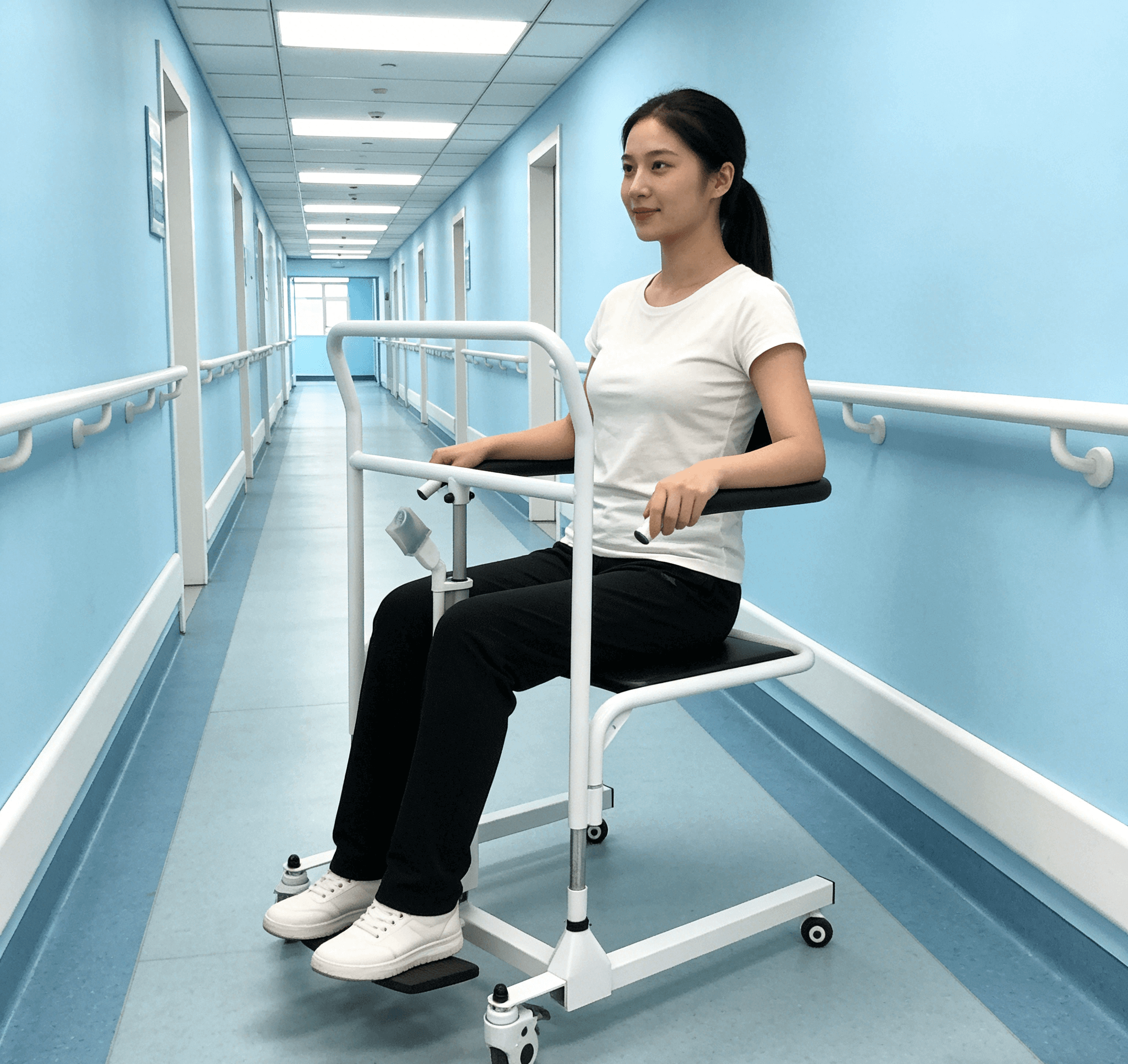
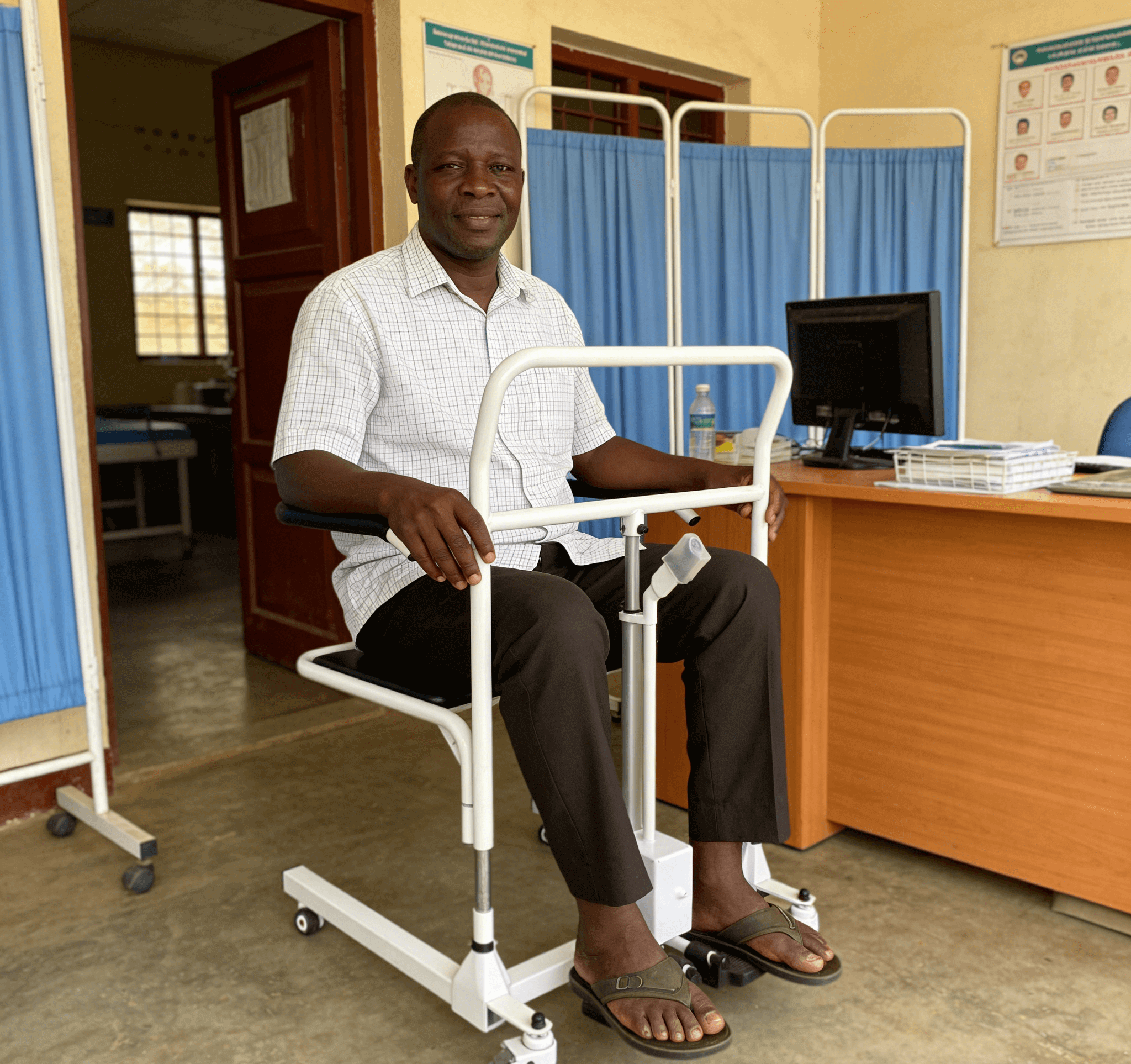
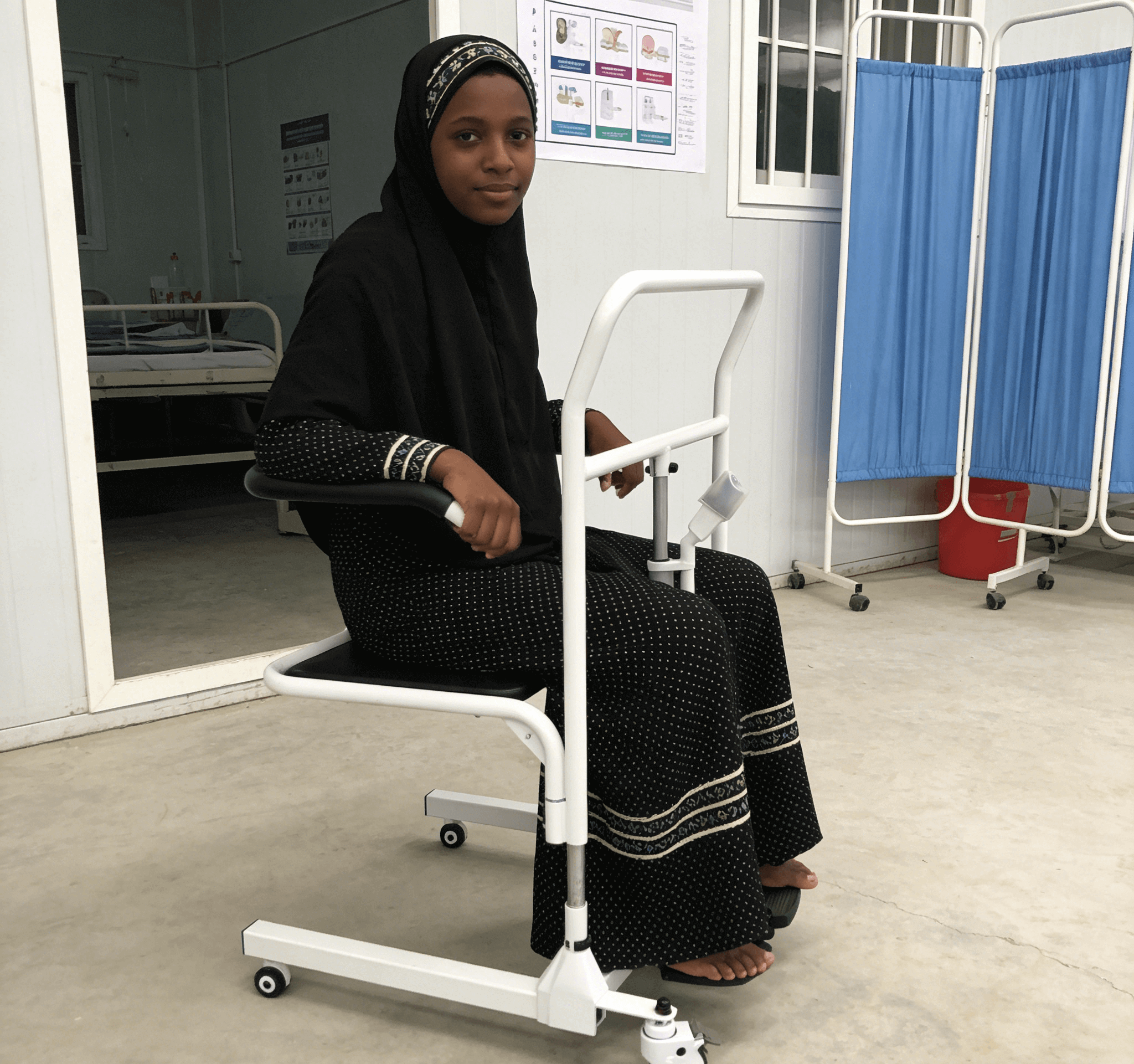
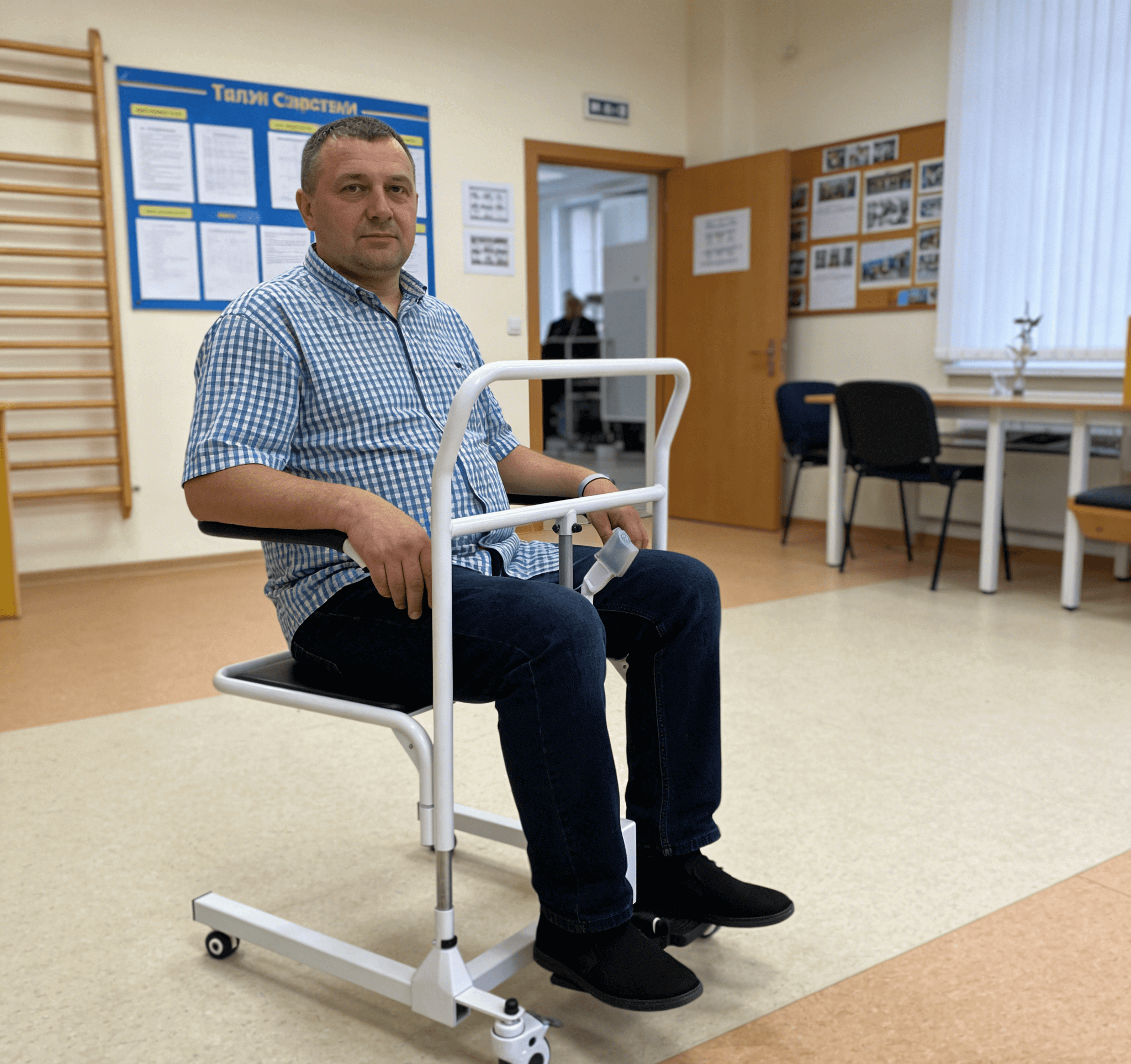
hoyer lift donation
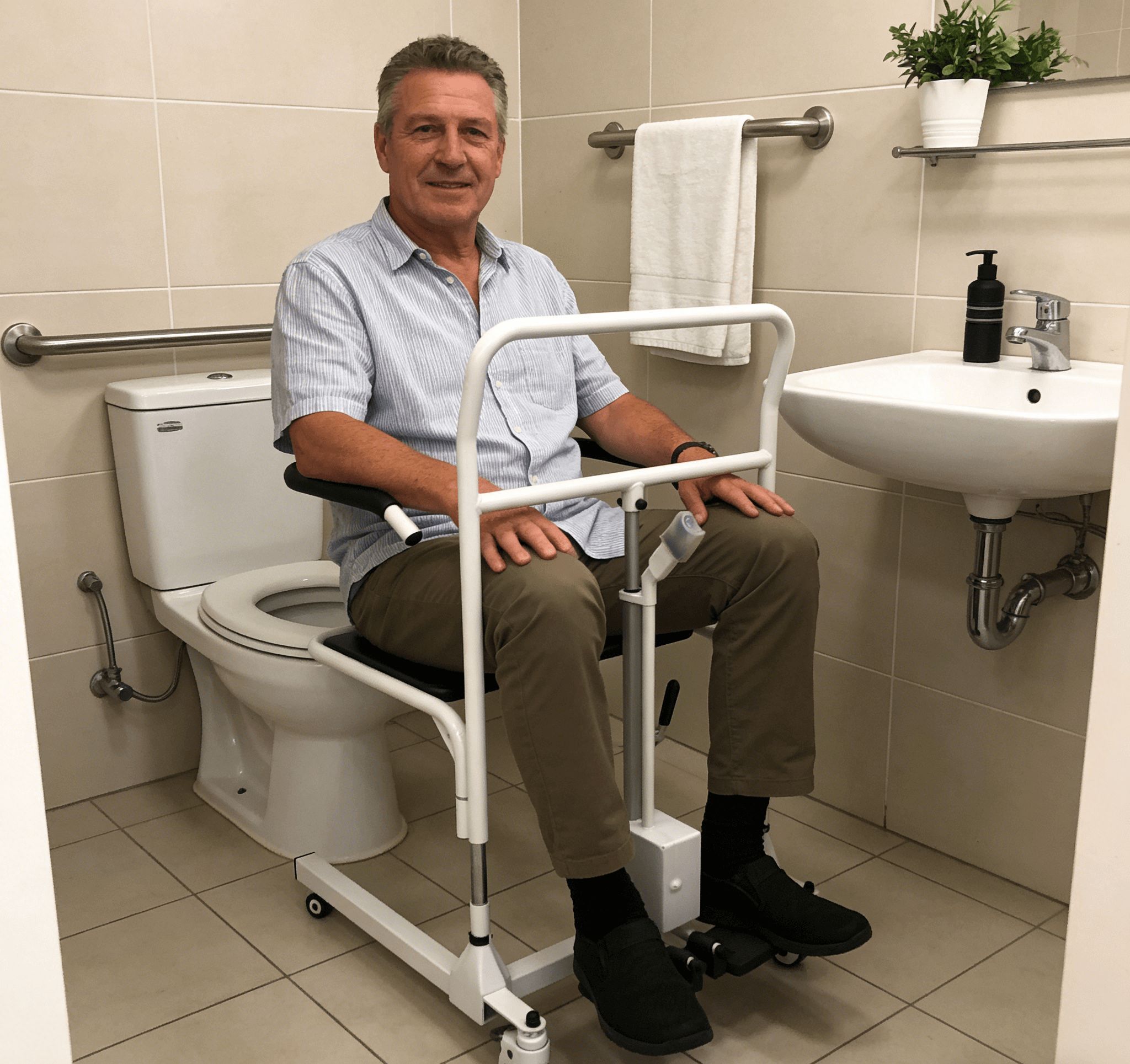
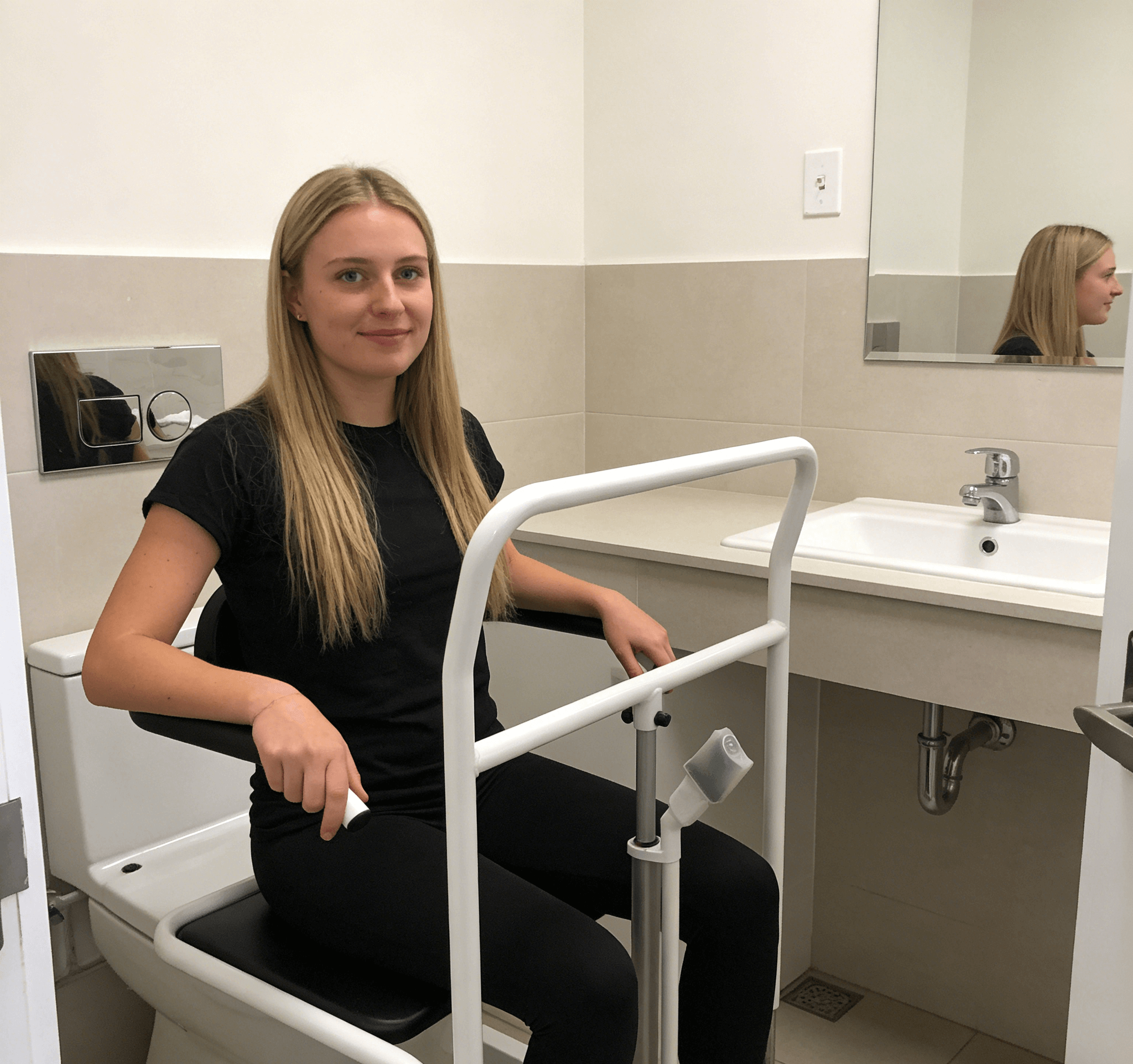
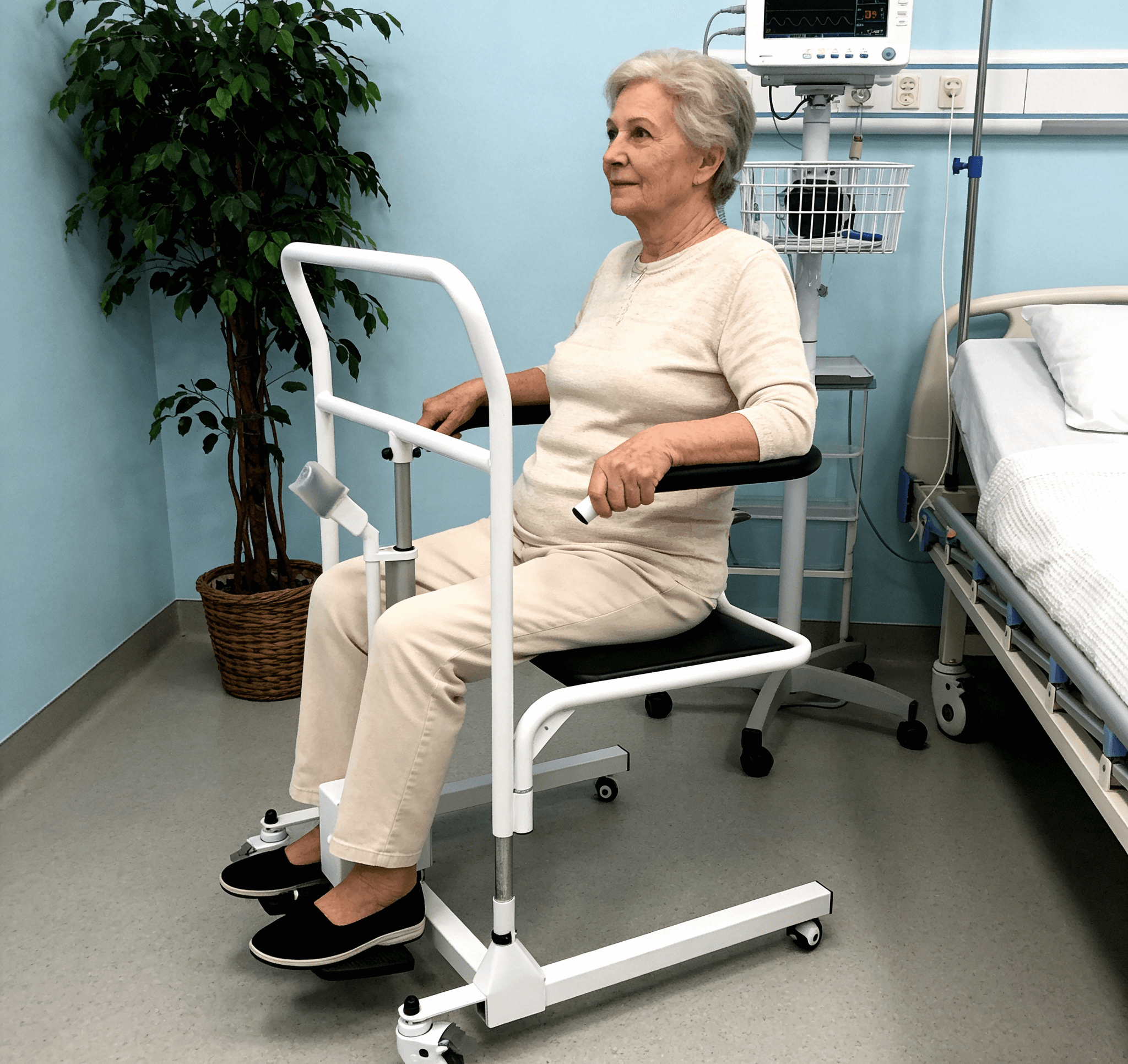
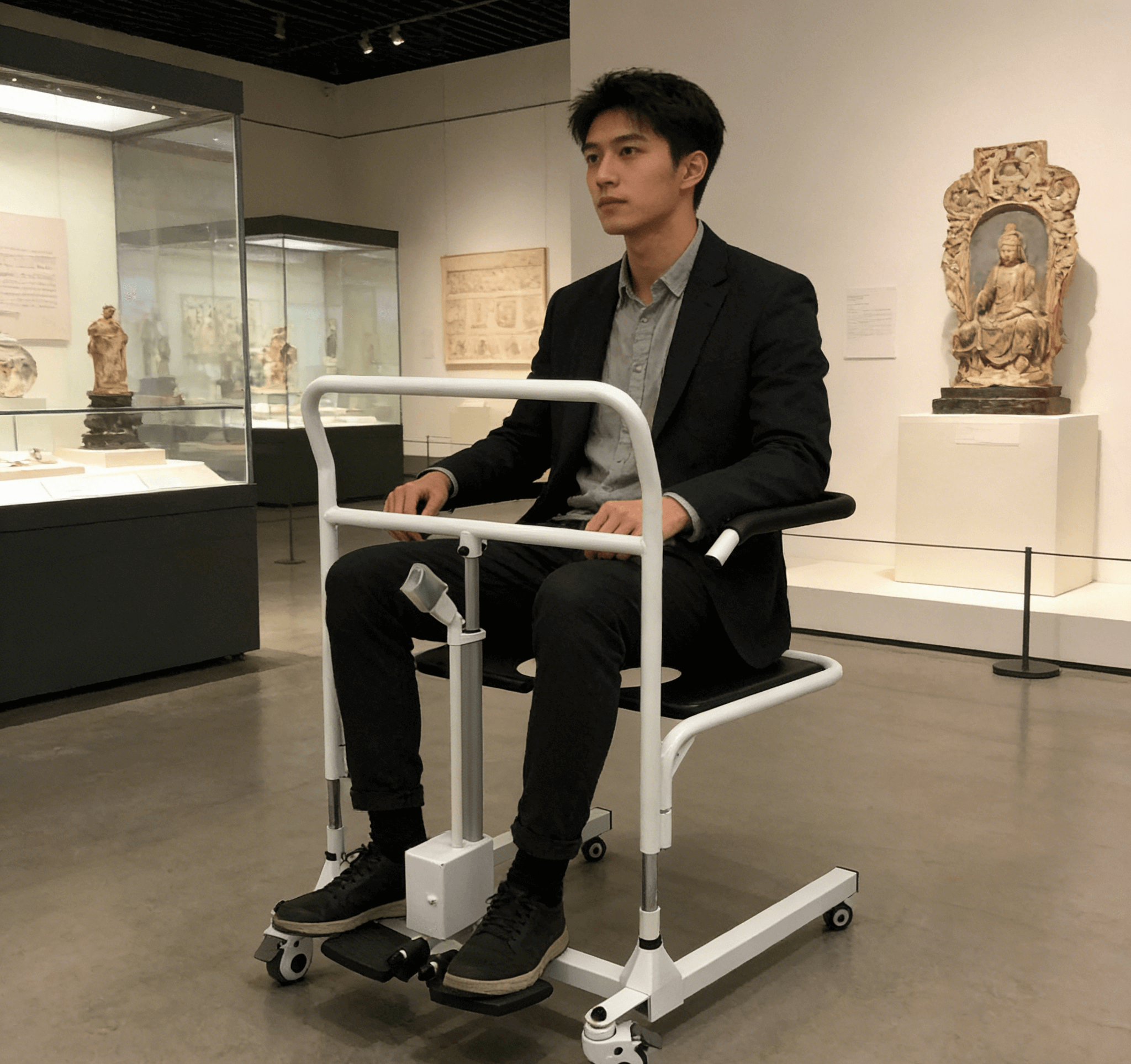
Donation of Hoyer Lifts: Reigniting the Light of Care with Idle Equipment
When a family member recovers and is discharged from the hospital, moves to an elderly care facility, or no longer needs a Hoyer Lift due to changes in their condition, many families face a choice: Should this device, which once guarded the safety of transfers day and night, be stored away, sold at a low price, or—given to someone who needs it more?
A well-functioning Hoyer Lift can mean the world to another family struggling with caregiving challenges:
Caregivers no longer suffer from back pain caused by lifting;
Patients avoid skin damage from being dragged;
A transfer from the bed to a wheelchair can finally be completed safely.
Donating a Hoyer Lift is not just about disposing of idle items—it is about passing on a sense of security.
This article will guide you on how to safely and effectively donate or obtain a second-hand Hoyer Lift.
I. Which Hoyer Lifts Are Suitable for Donation?
Not all idle devices are suitable for gifting. To ensure the safety of the recipient, please confirm that your device meets the following criteria:
Fully functional: The hydraulic system of manual models has no leaks; the battery of electric models can charge and discharge normally.
Undamaged structure: No obvious bending, cracks, or rust on the base or boom.
Complete accessories: At least one intact sling, a charger (for electric models), and an instruction manual.
Service life ≤ 5 years: For devices older than 5 years, key components (such as seals and motors) may be aging.
Thoroughly cleaned and disinfected: Slings and metal parts have been thoroughly cleaned, with no odors or stains.
❌ Donation is not recommended for:
Devices that cannot lift/lower or are stuck during operation.
Slings with tears or loose stitches.
Devices missing a charger or with an unknown charger model.
II. Recommended Reliable Donation Channels
1. Local Community Elderly Care Service Centers
Many subdistricts/towns have "assistive device lending stations" or "charity material banks";Staff can assess the device’s condition and match it with registered families in need;
Advantages: Convenient local handover, simple procedures, and high trustworthiness.
2. Nonprofit Organizations and Public Welfare Platforms
China:Some programs under organizations like the Amity Foundation and Spring Sprout Foundation accept donations of medical assistive devices;Local Disabled Persons’ Federations or Red Cross Societies sometimes have collection points for elderly and disabled assistance materials.
United States/Canada:Goodwill and Salvation Army (confirm in advance whether they accept DME—Durable Medical Equipment);Specialized platforms such as Freecycle and Nextdoor community mutual aid groups;Medical equipment reuse organizations (e.g., Global Links, REquipment).
3. Hospital or Rehabilitation Center Referrals
The social work department of some public hospitals offers "assistive device circulation" services;You can temporarily store the device, which will be disinfected by professionals and then transferred to patients in need.
4. Online Mutual Aid Communities
WeChat groups, QQ groups (e.g., "[City Name] Caregiving Mutual Aid Group");
Douban groups, Xiaohongshu topics (search for keywords like "assistive device transfer," "Hoyer Lift free giveaway");
⚠️ Note: Be sure to verify the other party’s actual needs to prevent the device from falling into the hands of second-hand resellers.
III. For Recipients: How to Safely Receive a Donated Hoyer Lift?
On-site testing: Ask the donor to demonstrate the complete lifting and lowering process.
Inspect the sling: Focus on checking for wear on load-bearing areas such as underarm and hip sections.
Request the instruction manual: Learn how to operate the emergency lowering function.
Sign a simple handover form: Clearly state that "the device is provided as-is, with no quality guarantee" to avoid subsequent disputes.
Prioritize manual models: They have a simpler structure, lower failure rate, and are more suitable for families without professional maintenance capabilities.